


- All
- Product Name
- Product Keyword
- Product Model
- Product Summary
- Product Description
- Multi Field Search
Views: 0 Author: Site Editor Publish Time: 2026-01-30 Origin: Site


What are the advantages of artificial stone acrylic?
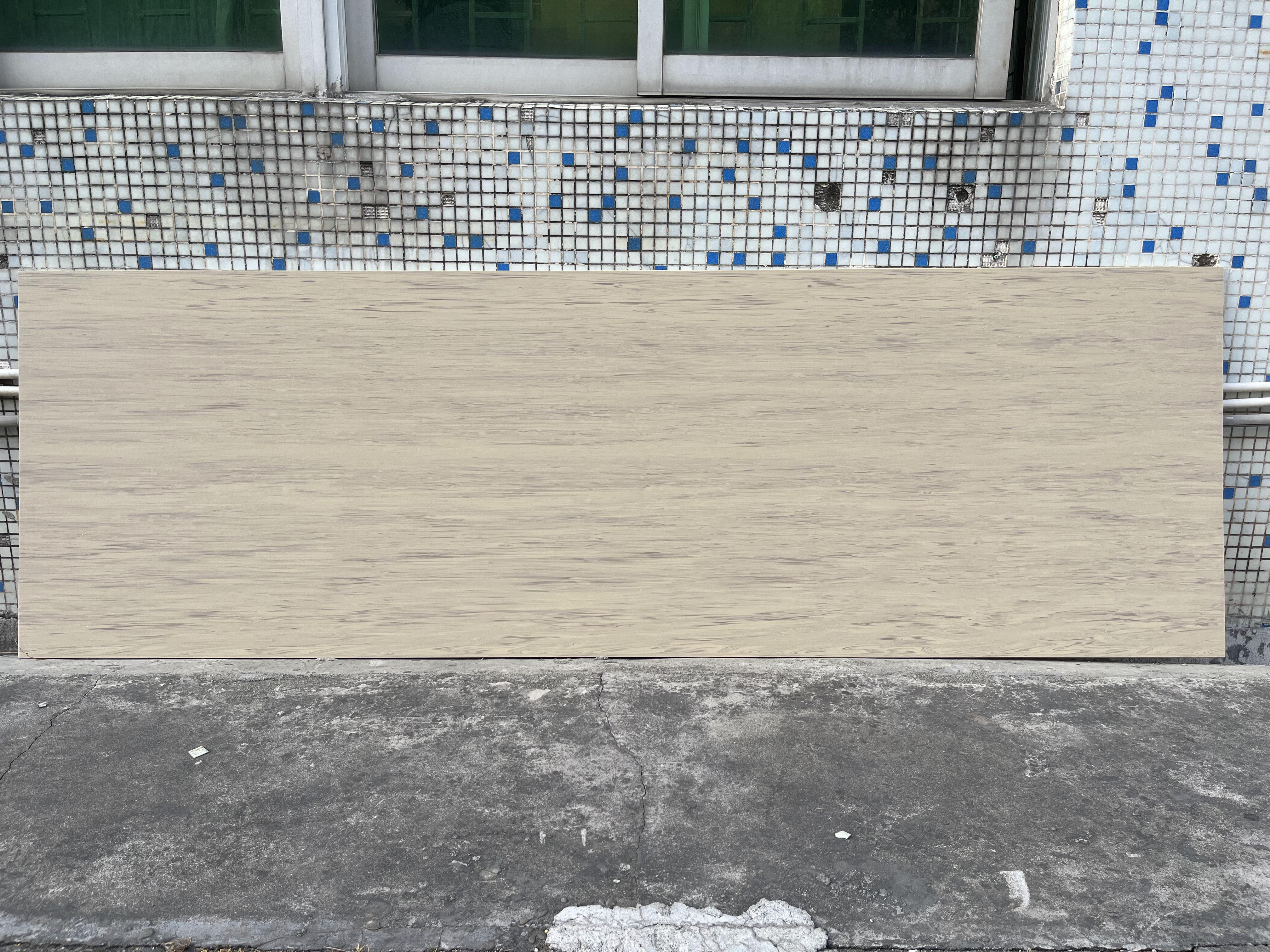
Artificial stone acrylic, with acrylic resin as its core, combines natural mineral powder to achieve both the texture of stone and the plasticity of artificial materials. It is wear-resistant, corrosion-resistant, seamless, and antibacterial, making it suitable for applications such as kitchen countertops and wash basins. Supporting customized surface treatments, it is a practical and aesthetic choice for modern home decoration.
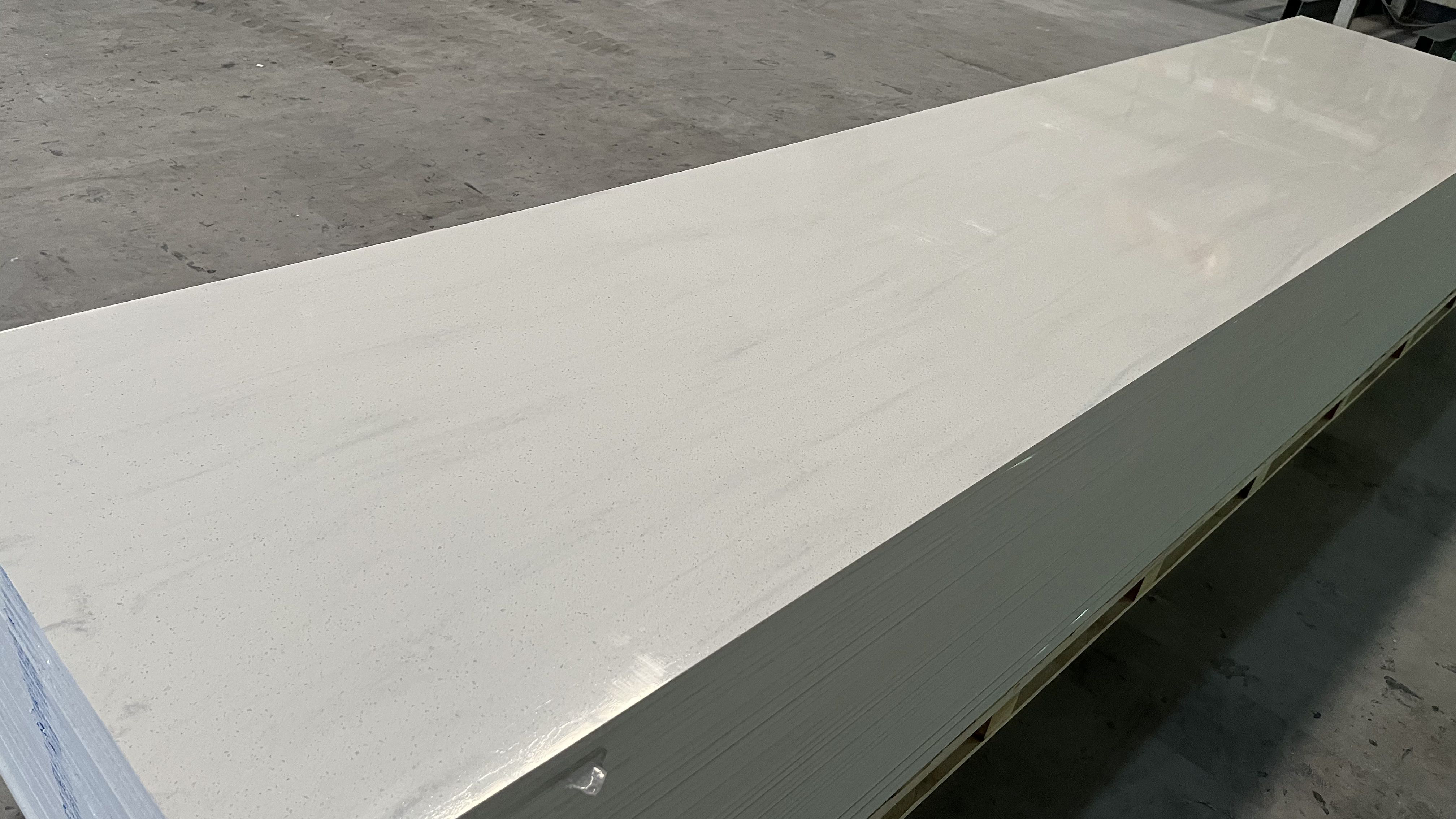
Artificial stone acrylic is a synthetic stone material primarily composed of acrylic (polymethyl methacrylate), combined with natural mineral powder and high-performance resin. It is formed through high-temperature and high-pressure processes, combining the texture of natural stone with the plasticity of artificial materials. Widely used in scenarios such as bar counters, worktops, wash basins, and kitchen countertops, it has become a material choice in modern home decoration that balances aesthetics and practicality.
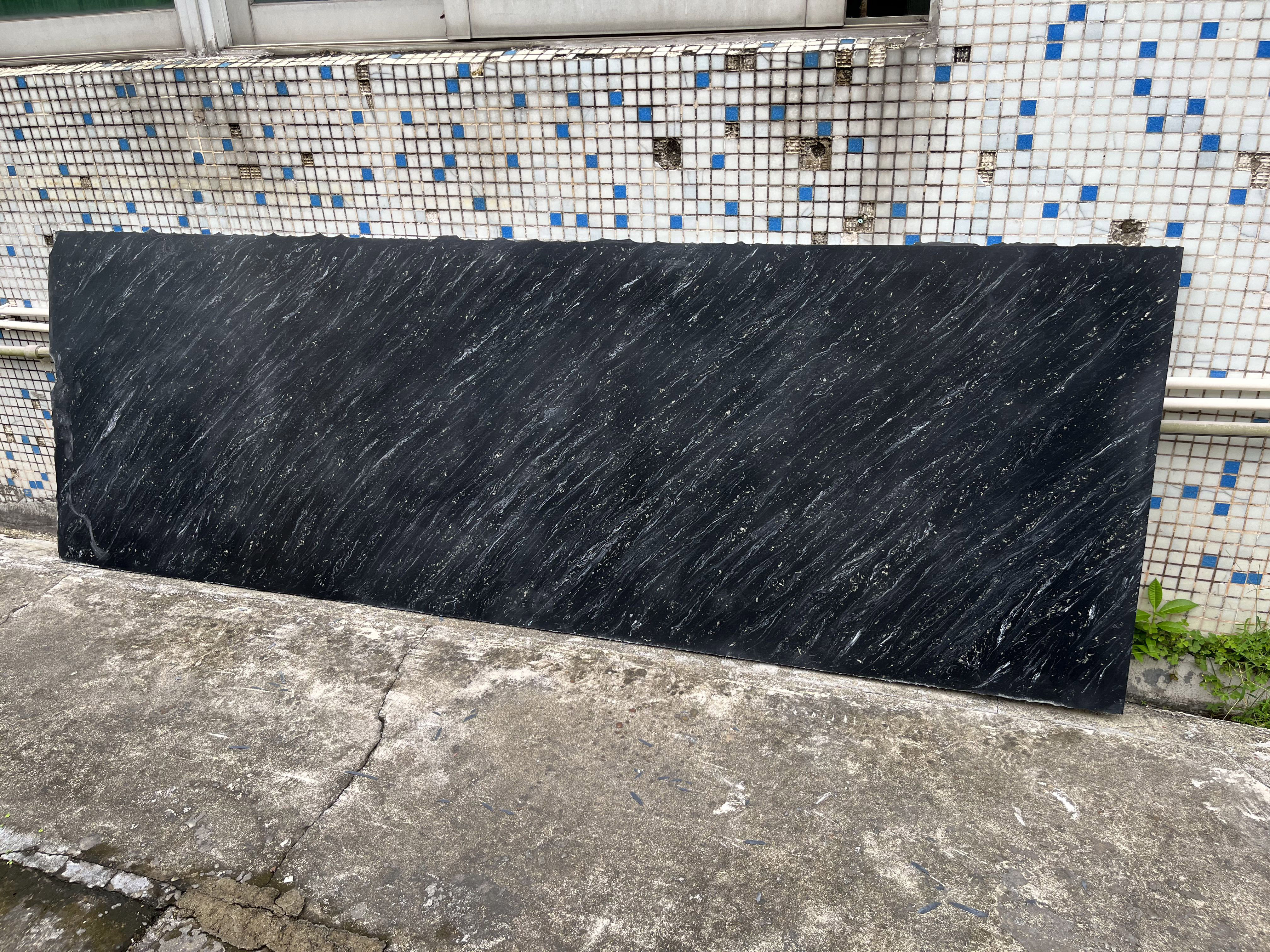
1. Technical Principles and Core Components:
The core component of artificial stone acrylic is acrylic resin, accounting for 30%-40%, with the remainder consisting of aluminum hydroxide, natural stone powder, and color masterbatch. Acrylic resin provides transparency and toughness, while aluminum hydroxide enhances hardness and improves flame retardancy. Natural stone powder imparts a stone-like texture. The production process employs vacuum vibration molding, which removes internal bubbles under high pressure to ensure uniform material density, strong interfacial forces, and surfaces that can achieve various finishes such as polished, matte, or fire-treated textures.
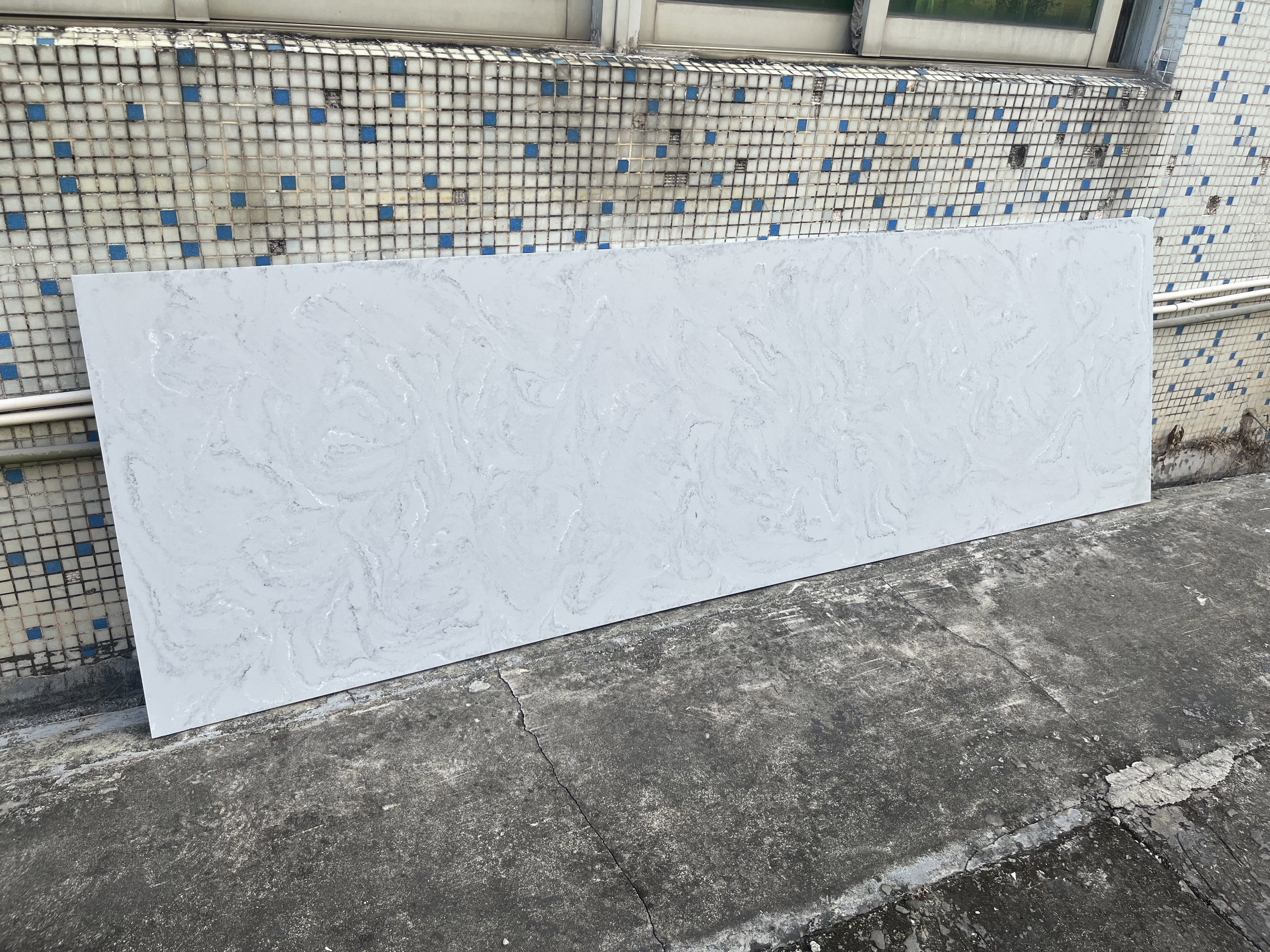
II. Functional Features and Scenario Adaptation:
This material possesses three key characteristics: wear resistance, scratch resistance, and corrosion resistance. Its surface hardness can reach Mohs 3-4 grade, effectively resisting daily knife scratches. The stable molecular structure of acrylic provides resistance to common corrosive substances such as acidic and alkaline cleaners and cosmetics. It exhibits excellent water resistance with a water absorption rate below 0.05%, ensuring minimal deformation from prolonged moisture exposure. In kitchen countertop applications, its seamless bonding process prevents bacterial growth. For sink installations, the polished surface is easy to clean and resistant to staining. Bar counter designs can achieve personalized styles through customized colors and textures.
3. Processing Technology and Surface Treatment:
Artificial stone acrylic supports modular processing and can be customized in length and curvature based on spatial dimensions, with standard thicknesses ranging from 12mm to 30mm. Surface treatments include three techniques: the polished surface exhibits a mirror-like gloss, ideal for modern minimalist styles; the matte surface reduces reflectivity through etching technology, creating a soft visual effect; and the flame-treated surface develops a micro-rough texture via high-temperature burning, enhancing slip resistance. All treatments are achieved through physical processes without chemical coatings, ensuring environmental compliance with international standards.
Artificial stone acrylic manufacturer offering wholesale and custom sizing, specifications, and colors to choose from
IV. Usage, Maintenance, and Precautions:
For daily cleaning, it is recommended to use neutral detergent and wipe with a soft cloth, avoiding sharp tools such as steel wool. High-temperature appliances should be placed on heat-resistant mats to prevent cracking caused by localized thermal expansion and contraction. After prolonged use, waxing can be applied to maintain surface luster. Although this material is corrosion-resistant, it should still avoid contact with strong oxidizing agents (such as 84 disinfectant). When custom processing, a 3-5mm expansion gap should be reserved to accommodate deformation due to temperature changes.


