


- All
- Product Name
- Product Keyword
- Product Model
- Product Summary
- Product Description
- Multi Field Search
Views: 0 Author: Site Editor Publish Time: 2026-01-24 Origin: Site


The primary use: PMMA is the general term for polymers obtained by polymerizing acrylic acid and its esters, collectively known as acrylic resin, with the corresponding plastics referred to as polyacrylic plastics.
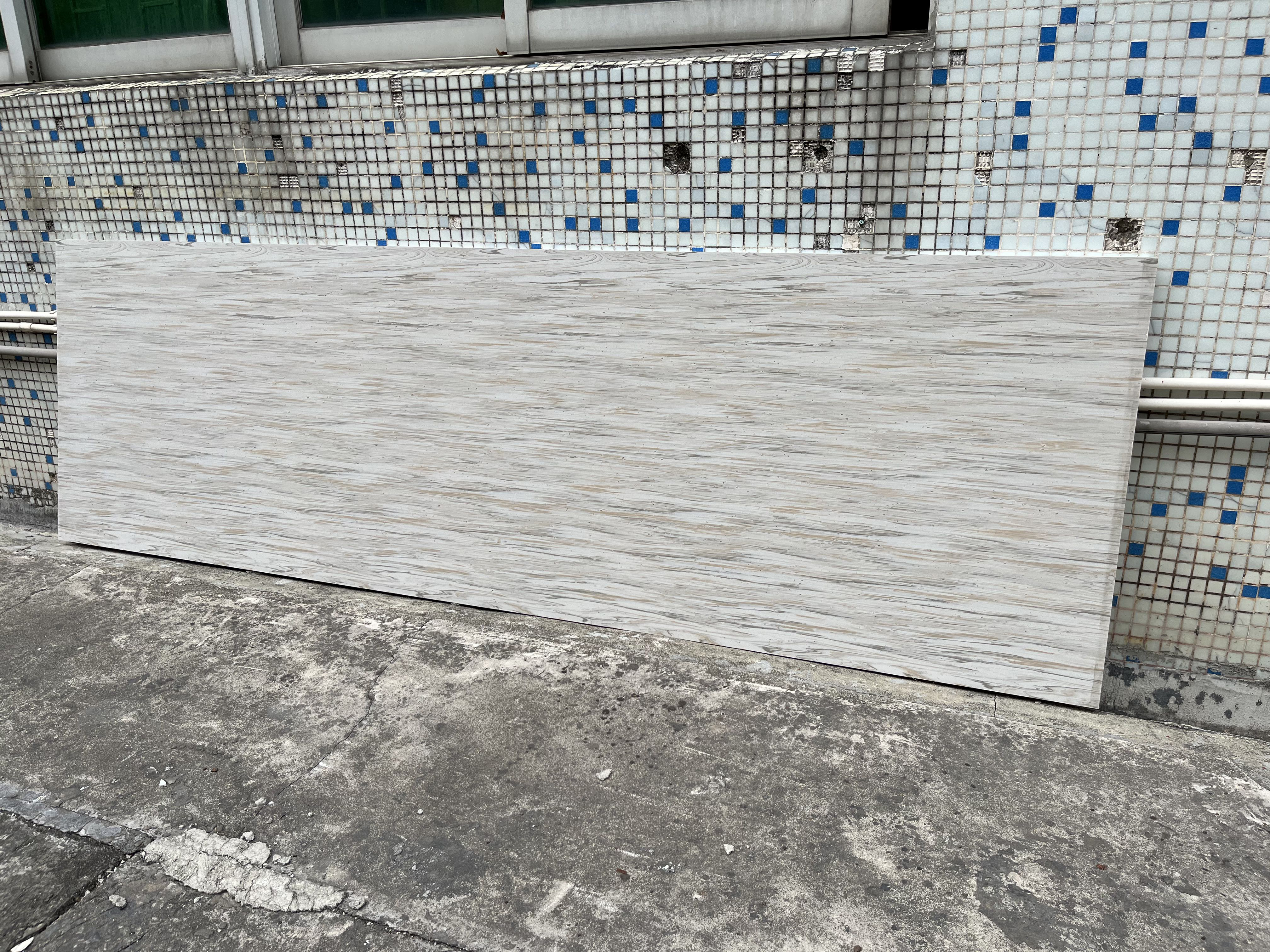
Among these, polymethyl methacrylate is the most widely used. Polymethyl methacrylate is abbreviated as PMMA, commonly known as organic glass, and remains the superior synthetic transparent material to date. PMMA boasts advantages such as lightweight, low cost, and ease of molding. Its molding methods include casting, injection molding, machining, and thermoforming. Notably, injection molding enables mass production with simple processes and low costs. Consequently, its applications are increasingly widespread, encompassing instrument parts, automotive headlights, optical lenses, transparent pipelines, and more.
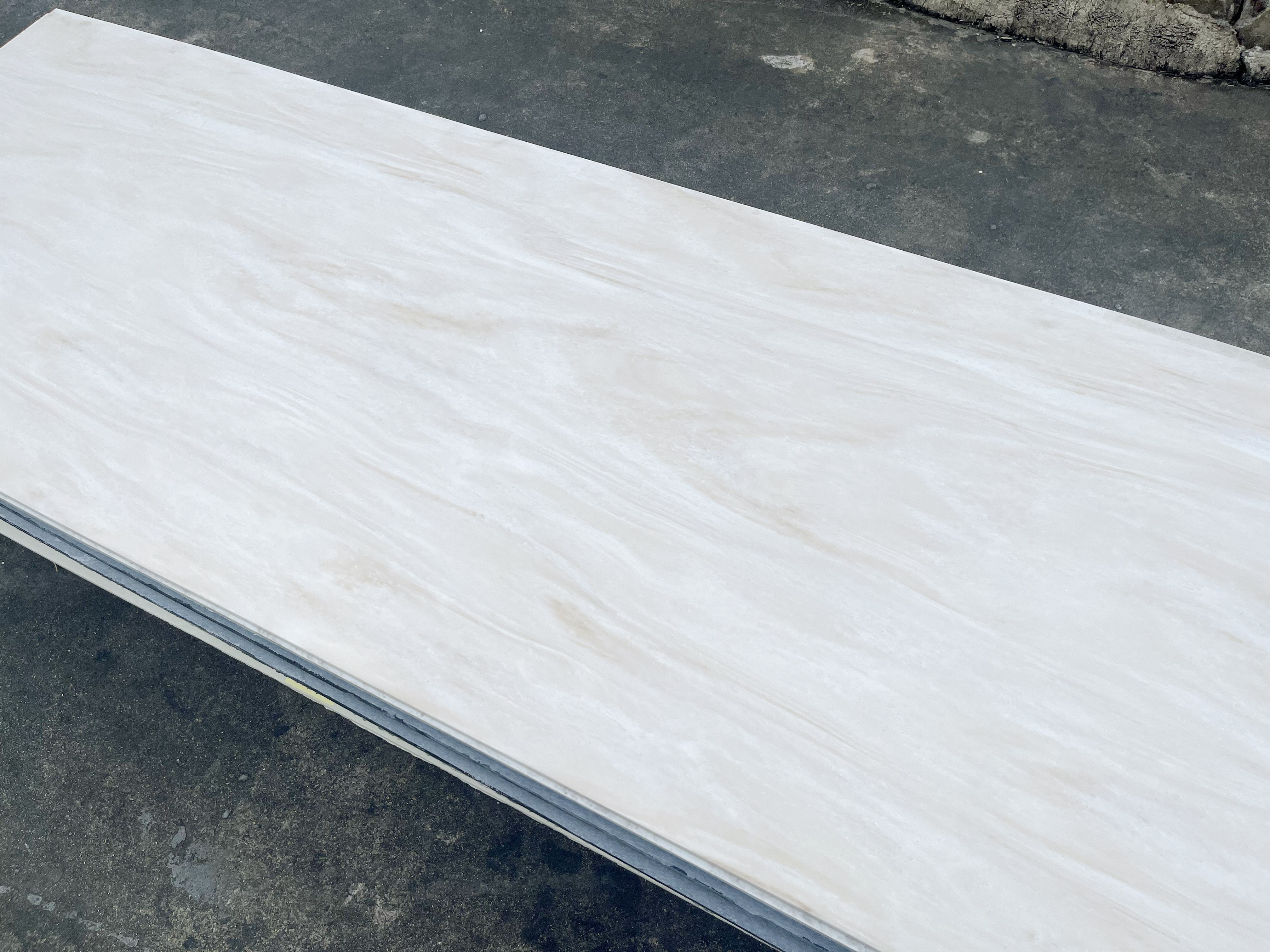
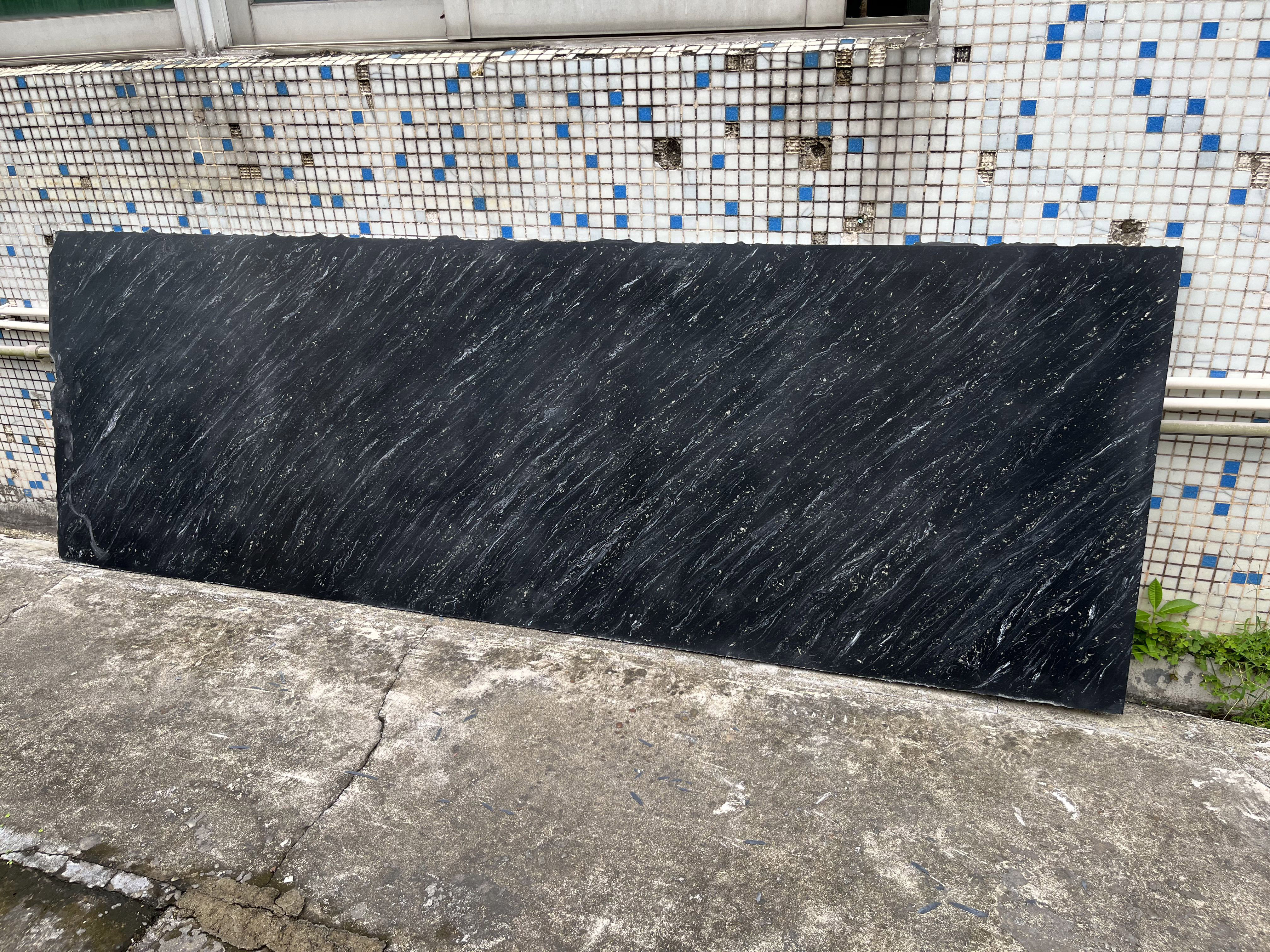
Advantages: Acrylic is the best new material for manufacturing sanitary fixtures after ceramics. Compared to traditional ceramic materials, acrylic offers unparalleled high glossiness and the following benefits: excellent toughness, resistance to breakage; strong repairability—simply use soft foam with toothpaste to restore fixtures to like-new condition; soft texture, eliminating the icy cold sensation in winter; vibrant colors, catering to diverse tastes and individual pursuits. Acrylic sinks, bathtubs, and toilets not only feature elegant designs and durability but also have environmental benefits, with radiation levels nearly identical to those of human bones. Acrylic sanitary fixtures first emerged in the U.S. and now account for over 70% of the global market. Disadvantages: Due to the high production difficulty and cost of acrylic, many low-quality substitutes exist in the market, also labeled as "acrylic," but these are actually ordinary organic boards or composite boards (also known as sandwich panels). Ordinary organic boards are made from cracked acrylic materials mixed with pigments and cast, resulting in low surface hardness, poor colorfastness, and subpar polishing effects after fine sanding. Composite boards have only a thin acrylic layer on the surface, with ABS plastic in the middle, which can easily peel off under thermal expansion and contraction during use. The authenticity of acrylic can be identified by subtle color differences in the cross-section and polishing effects. Applications: Acrylic is widely used in testing stands, component trays.
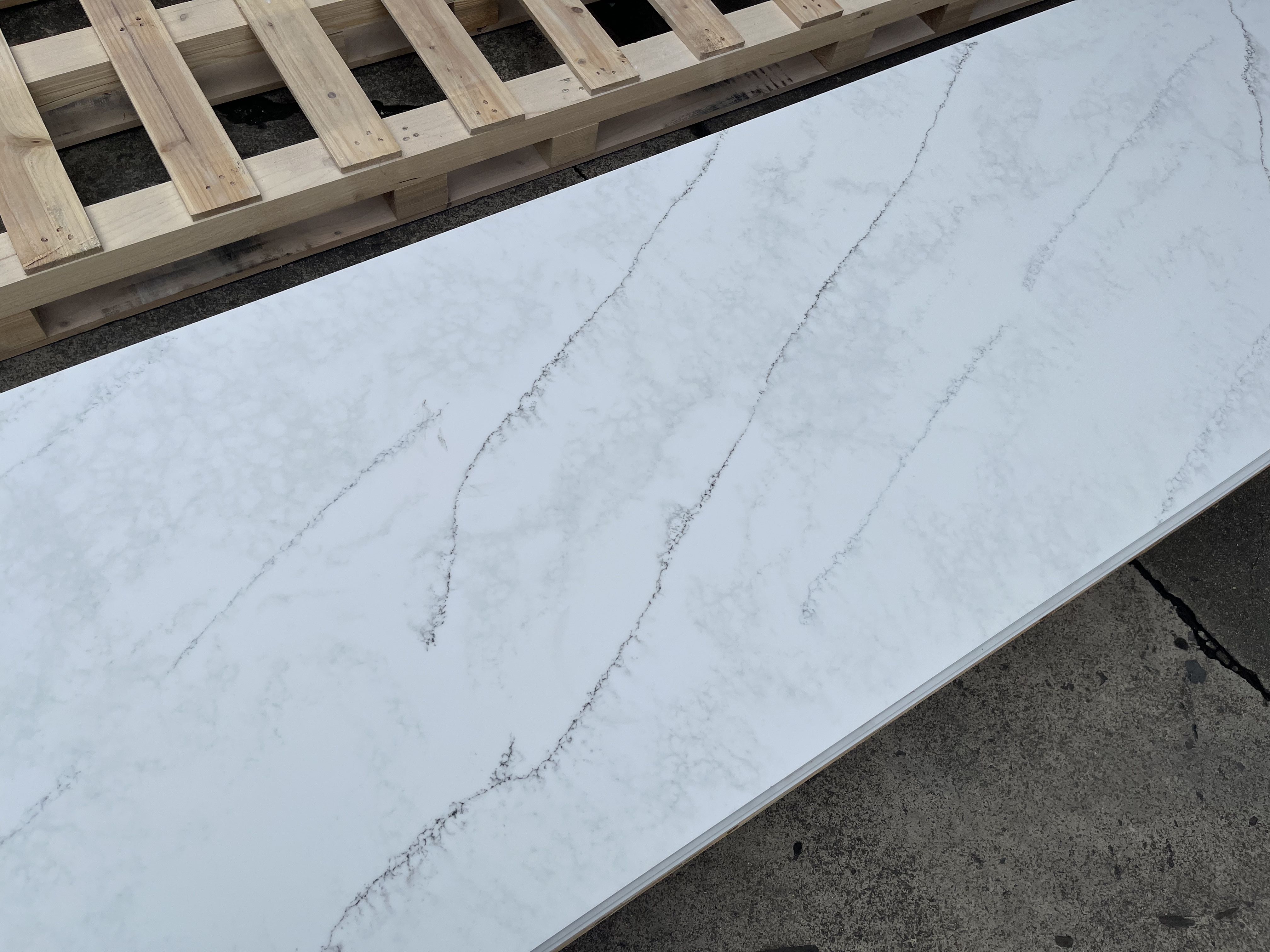
Fields of application:
Architectural applications: Display windows, soundproof doors and windows, light shields, phone booths, etc.
Advertising applications: Light boxes, signs, billboards, exhibition stands, etc. Creating eye-catching outdoor advertisements starts with acrylic panels.
Transportation applications: Vehicle doors and windows for trains, automobiles, etc.
Medical Applications: Infant incubators, various surgical medical instruments Consumer Goods: Bathing facilities, handicrafts, cosmetics, brackets, aquariums, etc. The production process of bathtubs—how are bathtubs actually made? Industrial Applications: Instrument control panels and protective covers
Lighting Applications: Fluorescent lamps, pendant lights, streetlight covers, etc. Application Fields: Hotels, shopping malls, office buildings, clubs, villas, museums, healthcare, education, dining, exhibitions, etc. Application Areas: Ceilings, integrated ceilings, partitions, screens, sliding doors, transparent walls, hotel furniture, office furniture, bar counters, lighting fixtures, signage, floor coverings, landscaping, etc.


